
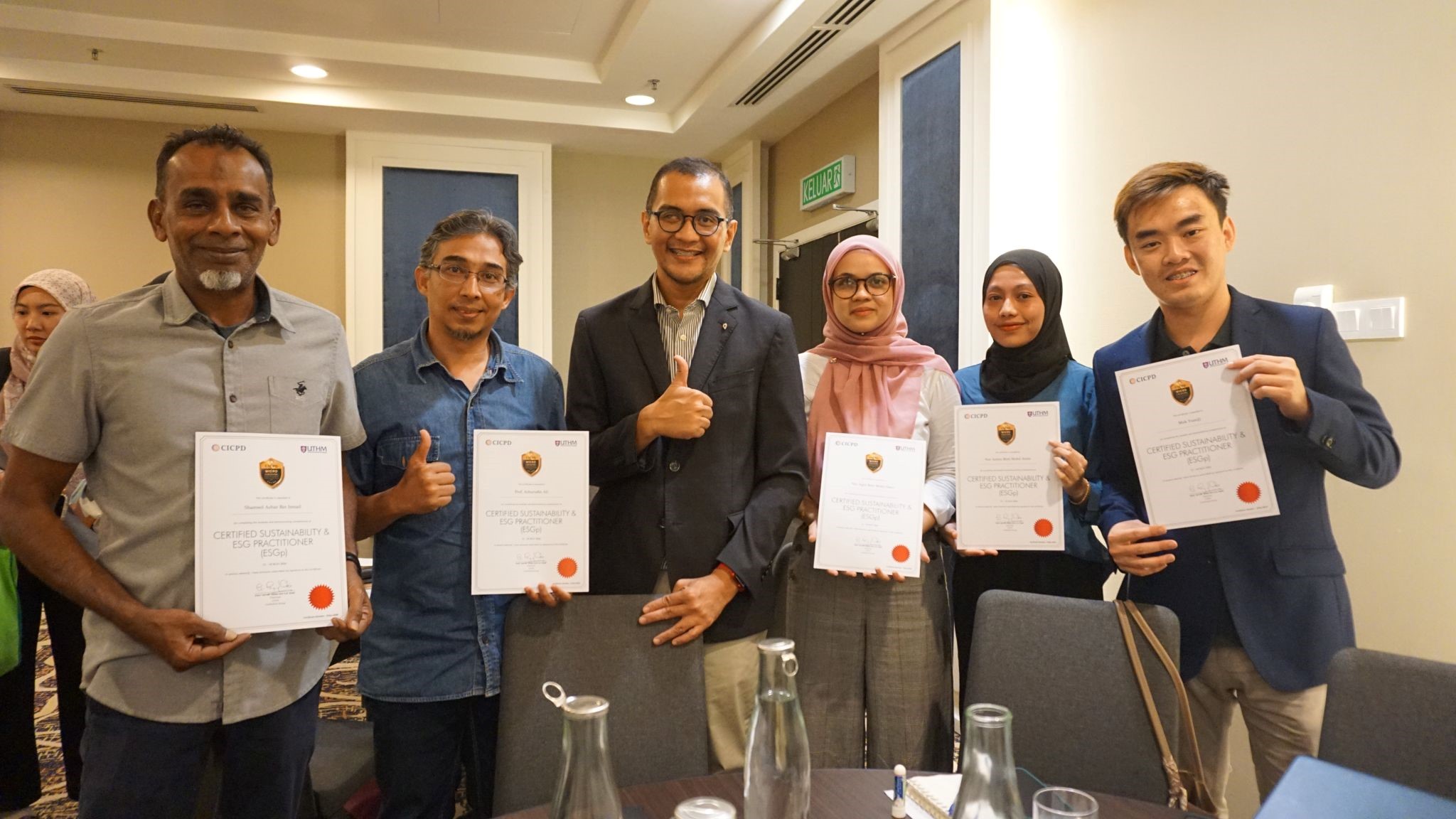
Elevating Educational Standards: The Role of QAHE in Global Accreditation
In an ever-evolving educational landscape, the need for quality assurance and accreditation has become paramount. The International Association for Quality Assurance in Pre-Tertiary and Higher Education (QAHE) stands at the forefront of this movement, providing essential accreditation services that promote excellence in education worldwide. This article explores the significance of QAHE, its accreditation processes, and the benefits it offers to educational institutions across the globe.
A Commitment to Quality Assurance
QAHE is an independent, non-governmental quality assurance agency that focuses on elevating educational standards through rigorous accreditation processes. Recognized by various national and international bodies, QAHE plays a crucial role in ensuring that educational institutions adhere to high-quality benchmarks. This commitment to quality not only enhances the reputation of accredited institutions but also instills confidence in students, parents, and employers regarding the value of their educational qualifications.
Vision and Mission
QAHE’s vision emphasizes the importance of academic accreditation for ensuring the continued effectiveness of established institutions while fostering the enthusiasm of emerging institutions. Its mission is to adhere to internationally recognized standards and guidelines for quality assurance, including ISO/IEC 17011:2017 and ISO/IEC 17040:2005. By utilizing these standards, QAHE provides comprehensive and reliable accreditation services that support continuous improvement and quality enhancement in higher education institutions.
Understanding the Accreditation Process
The accreditation process offered by QAHE is comprehensive and structured, designed to evaluate institutions against established standards. It begins with a self-assessment phase, where institutions review their programs and practices to identify areas of strength and opportunities for improvement. Following this, an external review by QAHE’s Accreditation Committee assesses the institution’s compliance with QAHE standards.
Key criteria evaluated during this process include:
- Curriculum Quality: Institutions must demonstrate that their curricula are well-designed, comprehensive, and aligned with industry standards. This involves ensuring that theoretical knowledge is complemented by practical applications.
- Faculty Qualifications: The institution’s faculty must possess the necessary qualifications and expertise in their respective fields. QAHE emphasizes the importance of a balanced faculty composition, combining experienced educators with emerging talents.
- Academic Resources: Adequate resources, such as classrooms, laboratories, and libraries, must be available to support the academic pursuits of students.
- Continuous Improvement: Institutions are encouraged to engage in ongoing self-evaluation and improvement, ensuring that they remain responsive to the evolving needs of students and the job market.
Upon successful completion of the accreditation process, institutions receive official recognition, allowing them to promote their programs as QAHE accredited.
Benefits of QAHE Accreditation
Accreditation from QAHE offers numerous advantages for educational institutions:
1. Enhanced Credibility and Reputation
Achieving QAHE accreditation is a mark of quality that enhances an institution’s credibility. This recognition not only attracts students but also appeals to potential faculty and industry partners. Institutions that are accredited by QAHE can demonstrate their commitment to educational excellence, making them more competitive in the global market.
2. Increased Enrollment
With the growing emphasis on quality education, students and parents are more likely to choose accredited institutions. QAHE accreditation serves as a trusted endorsement, leading to increased enrollment rates. Furthermore, accredited programs often have better job placement rates, making them more appealing to prospective students.
3. Access to Funding and Partnerships
Many funding agencies prioritize institutions that have received accreditation. By obtaining QAHE accreditation, institutions can unlock access to grants, scholarships, and partnerships that can significantly enhance their resources and offerings.
4. Global Recognition
QAHE’s accreditation is recognized internationally, allowing institutions to attract students from diverse backgrounds. This global recognition facilitates the transfer of credits and degrees, making institutions more attractive to international students.
5. Improved Operational Efficiency
The accreditation process encourages institutions to evaluate and refine their operations. By adopting best practices and standards, institutions can streamline administrative processes, leading to improved efficiency and enhanced educational experiences.
6. Data-Driven Decision Making
QAHE emphasizes the importance of data collection and analysis in the accreditation process. Institutions that engage in data-driven decision-making can make informed choices about program improvements, resource allocation, and strategic planning.
Expanding Global Reach
QAHE has established partnerships with over 70 strategic allies worldwide, enhancing its capacity to support educational institutions globally. Collaborating with various accrediting bodies and educational organizations fosters a network that facilitates knowledge sharing and best practices in quality assurance.
Notable Collaborations
QAHE has signed Memoranda of Understanding (MOUs) with various organizations to enhance quality assurance in education. Some of these partnerships include:
- National Agency for Quality Assurance in Education and Research, Moldova (ANACEC): This collaboration aims to foster cooperation and enhance quality assurance practices within the education sector.
- Agency for Accreditation of Educational Organizations and Programs, Kyrgyz Republic (Sapattuu Bilim): This partnership focuses on upholding rigorous quality standards in education.
- Accreditation Council for Education, Indonesia (ACE): This collaboration aims to elevate educational standards and promote international best practices in Indonesia.
These partnerships not only broaden the scope of QAHE’s accreditation but also enhance the credibility of the institutions involved.
Special Programs and Awards
In addition to traditional accreditation, QAHE offers various awards and certifications that recognize outstanding contributions in the field of education. These include:
- Honorary Fellowships: Awarded to individuals who have made significant contributions to higher education and professional fields.
- Honorary Doctorates: Conferred upon individuals who have demonstrated exceptional achievements in their respective areas.
- Distinguished Professorships: Recognizing teaching professionals whose work has had a significant impact on their disciplines.
These awards not only celebrate individual achievements but also promote a culture of excellence within the educational community.
Commitment to Continuous Improvement
QAHE is dedicated to the ongoing enhancement of educational quality. Through its accreditation services, the organization encourages institutions to engage in self-assessment, adopt best practices, and strive for continuous improvement. This commitment to excellence is vital in a rapidly changing educational environment, where institutions must remain adaptable to meet the needs of students and the workforce.
Conclusion
The International Association for Quality Assurance in Pre-Tertiary and Higher Education (QAHE) plays a pivotal role in advancing educational quality through its rigorous accreditation processes. By promoting high standards and continuous improvement, QAHE not only enhances the credibility and reputation of accredited institutions but also contributes to the overall advancement of education worldwide.
As the demand for quality education continues to rise, QAHE remains committed to driving excellence and fostering a culture of accountability within educational institutions. Through its comprehensive accreditation services, QAHE is poised to support institutions in navigating the complexities of the global educational landscape, ultimately benefiting students, employers, and society as a whole.
For more information about QAHE and its accreditation services, visit www.qahe.org.