
The Evolution of Quality Assurance in International Healthcare Training: A Unified Eurasian Approach
High-Stakes Standards in Healthcare Education
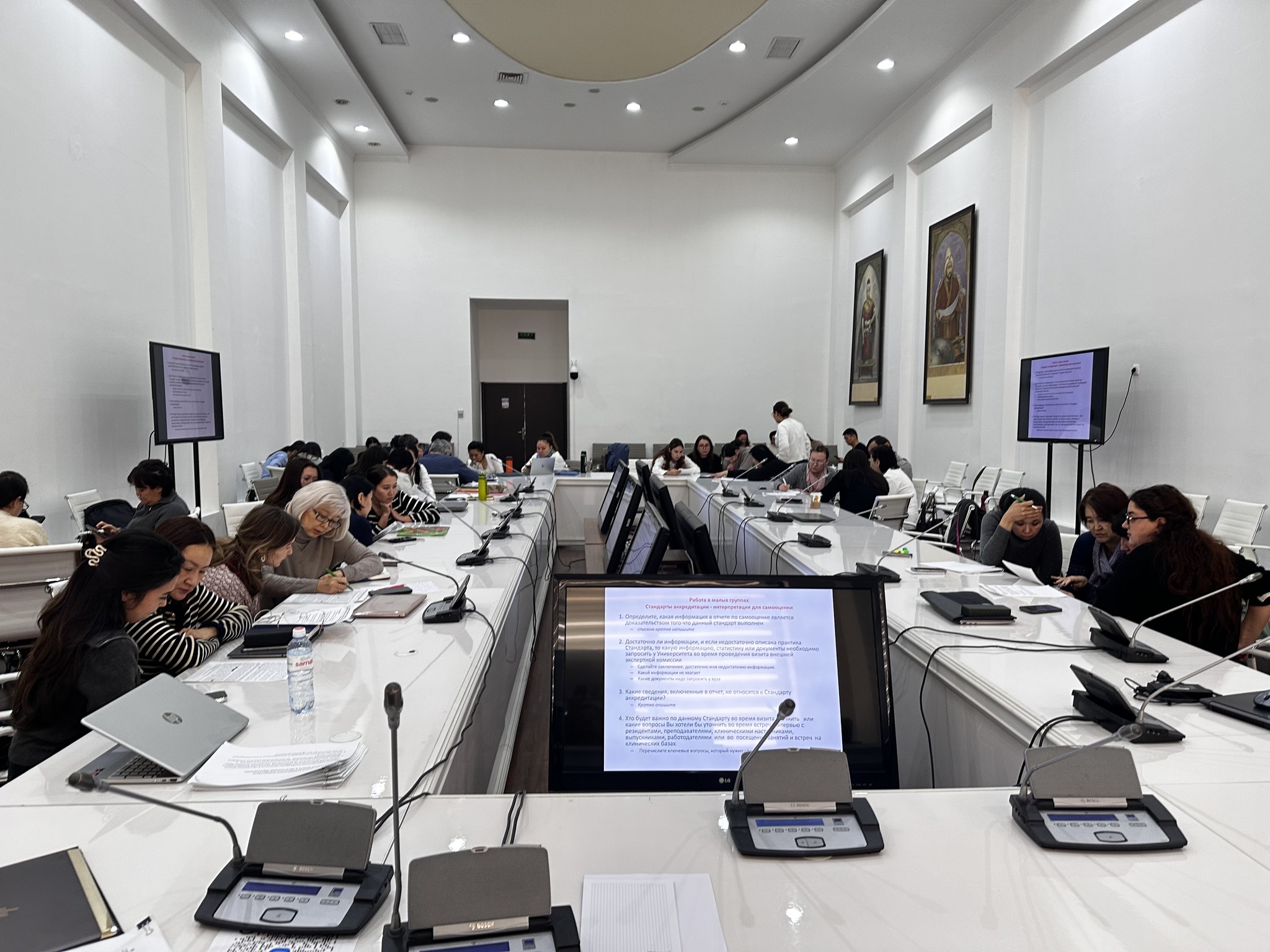
Quality assurance in healthcare training is uniquely critical, as the goal is to ensure that qualifiers are competent to provide safe and effective medical services to the public. In the Eurasian region, the complexity of diverse national systems has necessitated a unified approach to accreditation that respects local needs while adhering to international principles of good practice. Specialized bodies like the Eurasian Centre for Accreditation and Quality Assurance in Higher Education and Health Care (ECAQA) have emerged as leaders in this field, establishing rigorous frameworks for medical, nursing, and pharmaceutical education.
The Strategic Alliance: QAHE and ECAQA
A landmark development in this sector is the formal Memorandum of Understanding (MOU) between QAHE and ECAQA. This agreement establishes a robust framework for collaboration, combining QAHE’s international management expertise with ECAQA’s specialized healthcare oversight. By aligning their standards with the WHO/WFME Guidelines and the European Standards and Guidelines (ESG 2015), these bodies ensure that healthcare training across the region meets the highest international expectations.
Maintaining Public Confidence through Oversight
The involvement of principal stakeholders—including students and medical professionals—is central to this unified approach. Continuous monitoring and external evaluation mechanisms allow institutions to evolve alongside the changing needs of the national health systems they serve. For healthcare providers in the Eurasian corridor, this joint-accreditation pathway provides a transparent benchmark of excellence, ensuring that their graduates are recognized as globally competent professionals and maintaining public trust in the integrity of the medical profession.